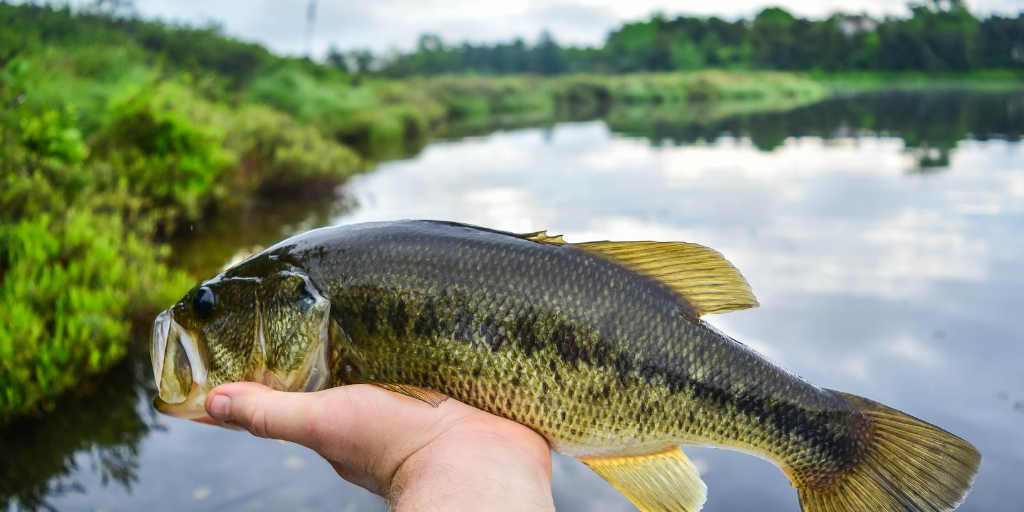
It goes without saying that most people associate summer with water activities, and fishing is one of them. A few years ago I had never fished freshwater species, let alone bass. I still don’t target bass unless I’m in Florida, which is funny because most people associate Florida with saltwater fish. Don’t get me wrong, saltwater is still my favorite. But it’s genuinely difficult, not impossible, to shore fish for bass here. Most lakes have limited shoreline cleared for casting, and where there is clear bank, the fish have gotten smart and wait for live bait instead of anything artificial.
So why bother bass fishing from shore in Florida at all? Because you can find smaller ponds or lake fingers with cleared foliage to fish from the bank, and some of these spots are loaded with fish and barely get touched. Anyone who knows Florida fishing knows about the bass beasts living in the marshes and Everglades, but targeting those requires a boat. This is for the rest of us, the ones with nothing but a fly rod, a handful of flies, and a bank to stand on.
What You Need Before You Head to the Bank for Bass Fishing
Bass hit harder than trout, and the flies below are bigger and heavier, so your gear needs to match. A 6- or 7-weight fly rod is the general starting point for bass, heavier than the 4- or 5-weight most people learn on for trout. Pair it with a leader and tippet in the 10 to 15-pound test range. Tippet is just the thinnest section of line tied to your fly, and going too light means a decent bass snaps you off the first time it runs.
Here’s the part nobody tells you until you’ve already had a scare. If you’re fishing marsh or lake banks in Florida, you are fishing alligator and water moccasin habitat, not hypothetically, actually. Stay aware of the bank you’re standing on, don’t fish right at dusk near thick reeds if you can help it, and if you see a gator holding still and watching you, that’s your cue to move somewhere else, not to keep casting. This isn’t meant to scare you off the water. It’s meant to make sure you’re paying attention to more than just your fly.
Flies for Bass Fishing
Bass flies run a little more than trout flies, usually two to five dollars each, since they’re bigger and use more material. Here’s what stays in my box.
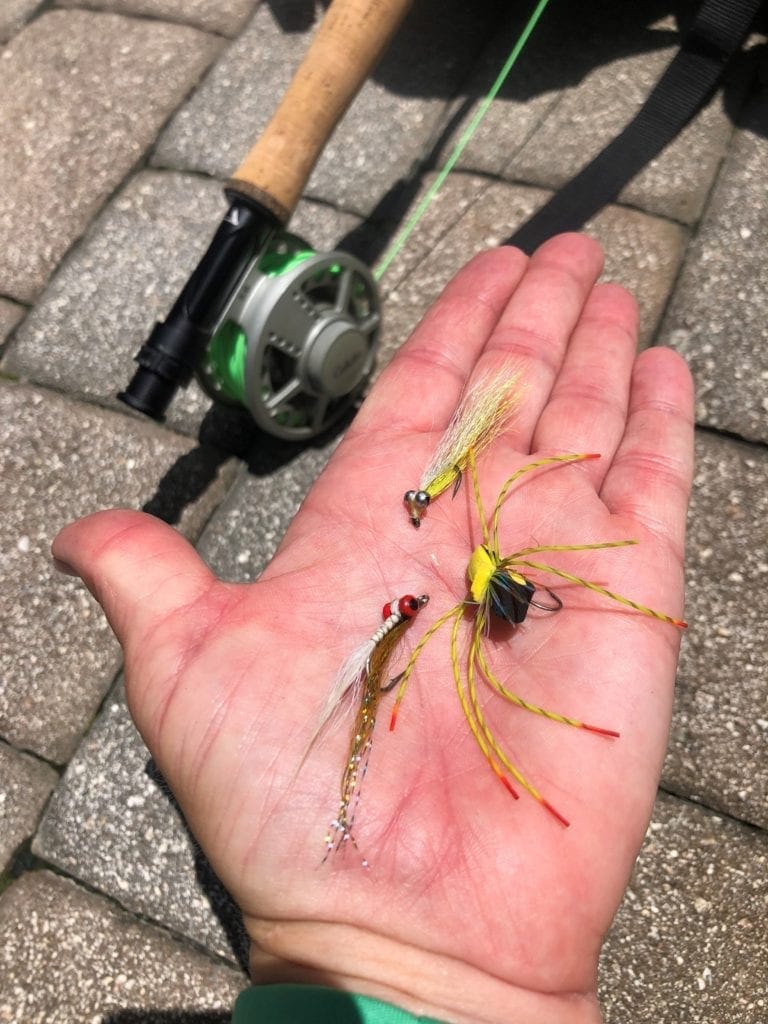
Clouser Minnow, chartreuse and white, is my personal go-to: Created by Bob Clouser, an anchor in the fly-fishing industry. Out of water, this fly doesn’t look fishy at all. Add water and line motion, and it comes alive. The real skill isn’t the fly itself. It’s the retrieve. Bass are predators, and continuous reeling isn’t always what triggers a strike. Sometimes you need the minnow to look like it’s dying or struggling to swim, which means varying your retrieve speed and pausing. Without knowing what the bottom looks like where you’re fishing, you risk snagging or losing the fly, so carry several in a few colors.
Wooley Bugger, black is my personal go-to, too: Created by Russell Blessing, and it comes in every color. There’s a theory that darker flies read as more realistic against the browns and greens of lake and pond water, and trout and bass both see well enough for that to matter. Out of water, the Wooley Bugger looks like nothing, just a feathery soft mess. In the water with motion, it reads as a leech, a worm, a fish, or something the bass hasn’t seen before and wants to investigate.
Topwater, anything that looks like a bug, frog, or mouse: Sometimes you’ll get to the water, and bass just won’t touch anything on top, no matter what you try. But when they’re hitting topwater, hold on, because watching a bass explode on a surface fly is one of the best moments in fishing.
Weed guards: These are stiff loops of material built into a fly that shield the hook point from grass and brush as it moves through the water, so the fly slides over cover instead of snagging on every cast. If you’re not sure what the bottom or bank cover looks like where you’re headed, grab a couple of flies with weed guards built in so you’re not losing your whole box to the first patch of grass.
Hooking a Bass
You’ll see people net big chunkers and assume it just happens, but there’s real skill in landing personal bests consistently. Unlike trout, which have soft mouths, bass have hard, large mouths, and that changes two things. First, hooks need to be sharp, not necessarily huge. A size 6 or 8 is a good place to start. Second, you need a real hook-set, not just a gentle tug.
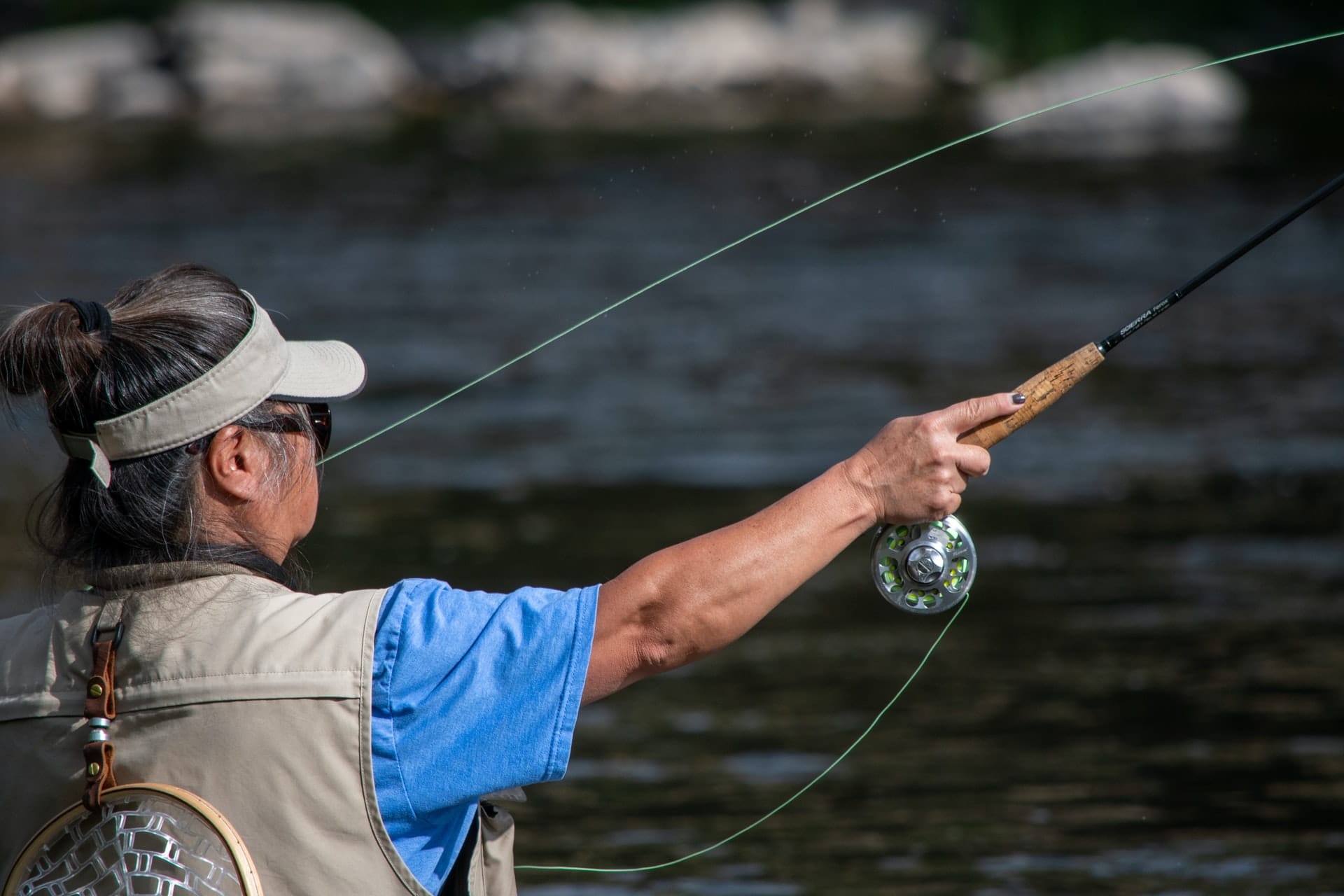
Here’s where fly fishing feels backwards if you’ve only used a spinning rod before. With a regular fishing pole, you hold the rod mid-air out in front of you and watch the bobber or line for movement. In fly fishing, you’re continually retrieving the fly line by hand, with pauses, while your rod tip sits low, almost resting on the water, as you draw the line in. Once you feel a bass take the fly, the hook-set draws your rod tip up firmly while your line hand pulls the fly line tight at the same time. Both movements happen together. That combination is what drives the hook far enough into the bass’s mouth tissue to actually hold when you fight the fish back to the bank.
Bass aren’t dumb, and neither are you if someone next to you is using a spinning rod and reeling fish in faster. You’re doing this the hard way on purpose. That’s the whole point.
What are your best tips for bass fishing?

One thought on “Bass Fishing Tips and Ties for Your Tackle Box”